Sustainable Menstrual Health: A Path to Empowerment
Exploring how reusable menstrual products are not just environmentally friendly, but also economically empowering for women and girls in underserved communities.

Dr. Sarah Mwangi
Dec 12, 2024 • 7 min read
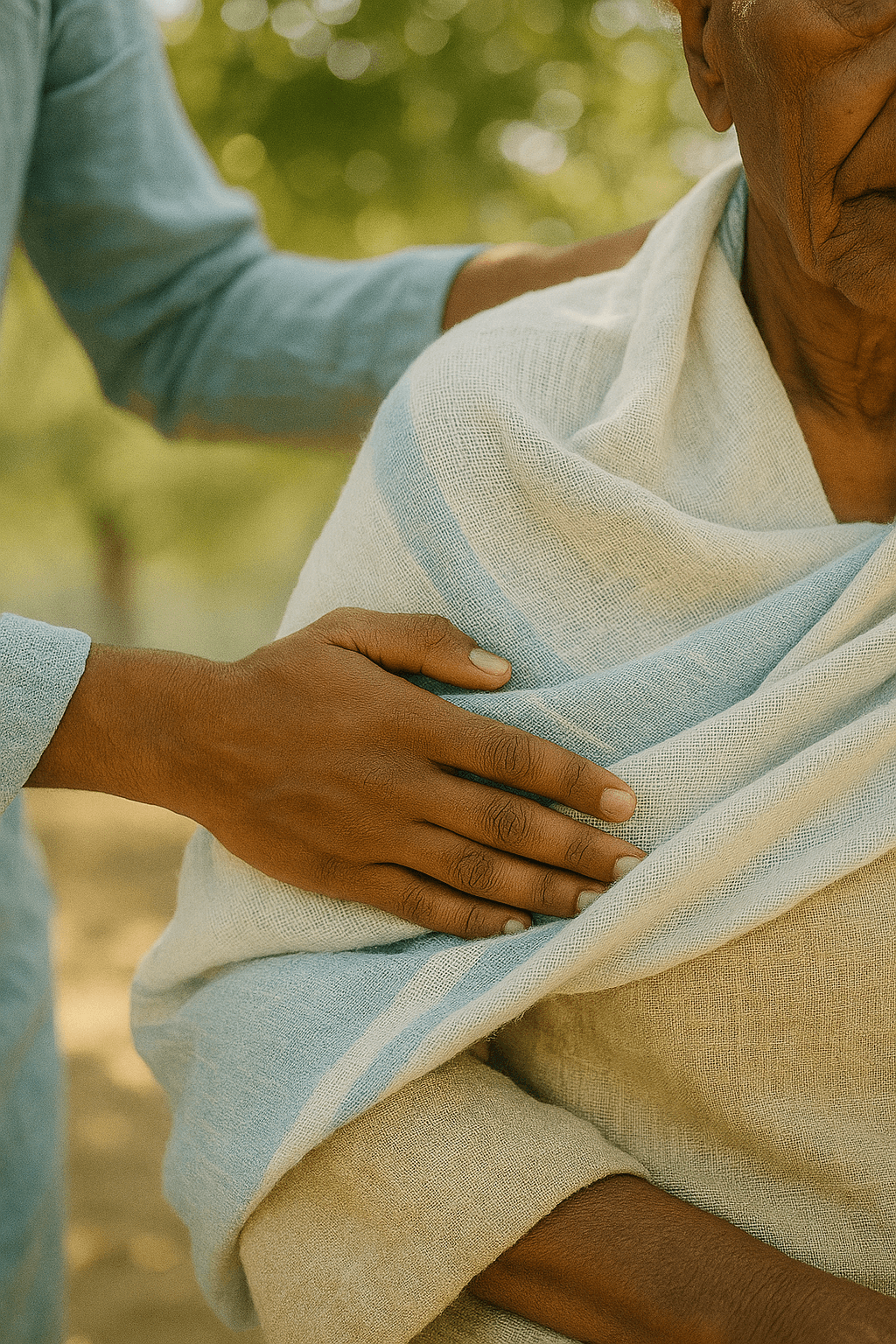
Menstrual health is not just a personal matter – it's a fundamental issue of human rights, environmental sustainability, and economic empowerment. In our work with communities around the world, we've seen how addressing menstrual health challenges can transform lives and create lasting positive change.
The traditional approach to menstrual products has created both environmental and economic challenges. Disposable products generate significant waste, while their cost creates barriers for many women and girls, especially in underserved communities.
The Environmental Impact
Every year, billions of disposable menstrual products end up in landfills, where they can take hundreds of years to decompose. The environmental cost of this waste is staggering, affecting not just our immediate communities but the entire planet.
By transitioning to reusable menstrual products, we can significantly reduce this environmental burden. One reusable pad can replace hundreds of disposable ones, dramatically reducing waste while providing the same level of protection and comfort.
Economic Empowerment Through Sustainability
For many women and girls, the cost of menstrual products represents a significant portion of their limited income. This economic burden can force difficult choices between basic necessities and menstrual health.
Reusable products, while requiring a higher initial investment, provide long-term economic benefits. A single reusable pad can last for years with proper care, making it far more cost-effective than disposable alternatives over time.
Breaking Down Barriers
In many communities, menstrual health is still surrounded by stigma and misinformation. This creates additional barriers to accessing proper products and information about menstrual health.
Our programs focus not just on providing products, but on education and community engagement. We work with local leaders, educators, and health workers to create supportive environments where women and girls can access the information and resources they need.
Community-Led Solutions
One of the most effective approaches we've found is supporting community-led manufacturing of reusable menstrual products. This creates local employment opportunities while ensuring products are culturally appropriate and accessible.
In several communities, we've helped establish small-scale production facilities that create jobs for local women while providing affordable, high-quality products for the community. This approach has multiple benefits: economic empowerment, environmental sustainability, and improved menstrual health access.
Education and Awareness
Providing products is only part of the solution. Comprehensive menstrual health education is essential for ensuring that women and girls can make informed choices about their health and well-being.
Our educational programs cover not just product use and care, but also broader issues of reproductive health, body awareness, and self-care. We work with schools, community centers, and health facilities to ensure this information reaches everyone who needs it.
Measuring Impact
Through our programs, we've seen remarkable results. Women and girls report improved confidence, better school attendance, and increased participation in community activities. The economic benefits extend beyond individual users to their families and communities.
Environmental impact is also measurable. Communities using reusable products have significantly reduced their waste generation, contributing to broader environmental sustainability goals.
Looking to the Future
As we continue to expand our menstrual health programs, we're exploring new approaches and technologies. From innovative product designs to digital education platforms, we're constantly seeking ways to improve access and effectiveness.
But the core principle remains the same: menstrual health is a fundamental right, and sustainable solutions can create positive change for individuals, communities, and the environment.
About Dr. Sarah Mwangi
Public health specialist focusing on women's health and sustainable development in East Africa.
Related Articles
Related Article 1
Coming soon...
Related Article 2
Coming soon...
Related Article 3
Coming soon...